Maquoketa River Adventures Near Hopkinton: Complete Guide to Kayaking, Tubing & Water Recreation
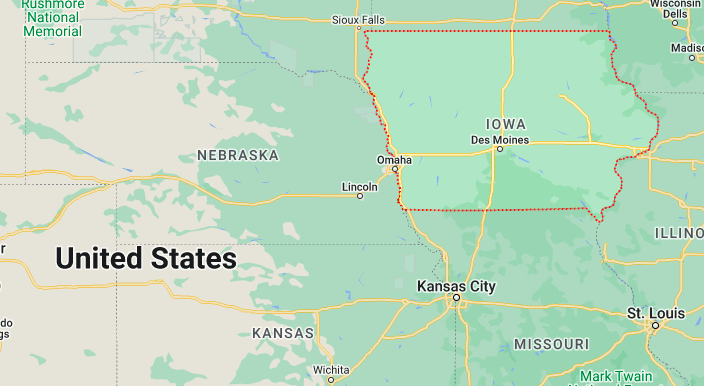
Flowing gently through the heart of Delaware County just minutes from Hopkinton, Iowa, the Maquoketa River offers some of eastern Iowa's finest paddling, tubing, and water recreation experiences. This scenic waterway winds through diverse landscapes—from wooded bluffs and limestone outcroppings to peaceful agricultural valleys—creating the perfect setting for outdoor adventures suitable for families, novice paddlers, and experienced kayakers alike.
For Hopkinton residents and visitors, the Maquoketa River represents an accessible natural treasure. Whether you're seeking a leisurely afternoon float, an extended paddling journey through multiple river sections, or simply a refreshing escape into nature, the Maquoketa delivers authentic Iowa river experiences without requiring extensive travel to more distant recreation areas.
This comprehensive guide covers everything you need to know about enjoying the Maquoketa River near Hopkinton: where to put in and take out, what to expect on the water, rental options, safety considerations, and the best sections for different skill levels and interests.
About the Maquoketa River
River Overview and Geography
The Maquoketa River system consists of several branches that eventually join to form one of eastern Iowa's most significant waterways before reaching the Mississippi River.
Key Facts:
- Origin: Begins in Fayette County, northeast Iowa
- Counties Traversed: Fayette, Delaware, Dubuque, Jones, and Jackson counties
- Length: Approximately 150 miles (main stem and branches)
- Destination: Joins the Mississippi River near Green Island, Iowa
- River Type: Meandering lowland river with moderate current
- Water Quality: Generally good; supports diverse aquatic life
The River Near Hopkinton
The Maquoketa River flows through Delaware County in close proximity to Hopkinton, providing convenient access to quality paddling and tubing opportunities. This section of the river features:
Scenic Characteristics:
- Natural Beauty: Wooded banks, limestone bluffs, and wildlife habitat
- Gentle Flow: Moderate current suitable for beginners and families
- Access Points: Multiple put-in and take-out locations including Dunlap Park
- Water Depth: Varies seasonally; spring and early summer offer best conditions
- Wildlife: Abundant birds, turtles, fish, and occasional deer along banks
Why the Maquoketa River is Special
Among Iowa's many rivers, the Maquoketa stands out for several reasons:
Diverse Landscape: The river passes through or near several Iowa natural treasures:
- Backbone State Park: Iowa's oldest state park with dramatic bluffs
- Manchester Whitewater Course: Engineered whitewater kayaking facility
- Lake Delhi: Scenic lake section of the river
- Indian Bluffs State Wildlife Management Area: Protected wildlife habitat
- Pictured Rocks County Park: Limestone cliffs and natural beauty
- Maquoketa Caves State Park: Unique cave systems
Paddling Variety: From calm, family-friendly sections to challenging whitewater, the Maquoketa offers something for every skill level.
Accessibility: Well-maintained water trail system with marked access points, making navigation easier for recreational paddlers.
Getting Started: Planning Your River Adventure
Best Times to Paddle
Understanding seasonal river conditions helps you choose the best time for your Maquoketa River adventure.
Spring (April-May):
- Water Levels: Highest of the year due to snowmelt and spring rains
- Current: Faster; more challenging for beginners but exciting for experienced paddlers
- Scenery: Spring wildflowers, migrating birds, fresh green foliage
- Temperature: Cool water and air; wetsuit recommended
- Crowds: Fewer paddlers before summer season
- Considerations: Check water levels; high water can be dangerous
Summer (June-August):
- Water Levels: Moderate to low depending on rainfall
- Current: Gentler; ideal for beginners, families, and tubing
- Scenery: Lush vegetation, full tree canopy, abundant wildlife
- Temperature: Warm water and air; perfect for swimming and tubing
- Crowds: Peak season; expect more paddlers, especially weekends
- Considerations: Low water in drought years may require portaging in shallow areas
Fall (September-October):
- Water Levels: Typically low unless autumn rains have occurred
- Current: Gentle; very manageable
- Scenery: Spectacular fall foliage along wooded banks
- Temperature: Cool water and air; dress appropriately
- Crowds: Fewer paddlers; peaceful experiences
- Considerations: Perfect weather for paddling but cooler water if you capsize
Winter: Not recommended for recreational paddling due to cold water temperatures and safety concerns.
Choosing Your Watercraft
Different watercraft offer different experiences on the Maquoketa River:
Kayaks:
- Best For: Solo paddling, maneuverability, longer distances
- Skill Level: Beginner to advanced (depending on kayak type)
- Advantages: Efficient paddling, good for covering miles, storage for gear
- Types: Recreational kayaks ideal for Maquoketa conditions
Canoes:
- Best For: Tandem paddling, families with children, gear capacity
- Skill Level: Beginner to intermediate
- Advantages: Room for kids, pets, coolers, camping gear; stable platform
- Considerations: Requires coordination between paddlers
Tubes:
- Best For: Leisurely floating, hot summer days, social groups
- Skill Level: Minimal; suitable for non-swimmers with proper life jackets
- Advantages: Relaxing, inexpensive, minimal skill required
- Limitations: Limited control, slower pace, not suitable for long distances
- Best Conditions: Warm summer days on sections with adequate water depth
Stand-Up Paddleboards (SUP):
- Best For: Experienced paddlers, calm sections, unique perspective
- Skill Level: Intermediate (requires balance)
- Advantages: Full-body workout, different experience
- Considerations: Less stable in current; not recommended for beginners on rivers
Duration and Distance Planning
Plan your trip based on your group's abilities and available time:
Short Float (2-3 hours):
- Distance: 3-5 miles
- Best For: Families with young children, beginners, afternoon outings
- Pace: Leisurely with stops for swimming and snacks
Half-Day Float (3-5 hours):
- Distance: 5-10 miles
- Best For: Most recreational paddlers, standard rental trip
- Pace: Moderate with lunch break and swimming stops
Full-Day Float (6-8 hours):
- Distance: 10-15+ miles
- Best For: Experienced paddlers, adventure seekers
- Pace: Steady paddling with extended breaks
Multi-Day Trips:
- Distance: 20+ miles
- Best For: Advanced paddlers with camping gear
- Considerations: Requires camping arrangements, extensive planning
Access Points and Popular Routes
Dunlap Park: Your Local Access Point
For Hopkinton residents and visitors, Dunlap Park serves as the primary local access to the Maquoketa River.
Dunlap Park Details:
- Location: Delaware County park along the Maquoketa River, near Hopkinton
- Amenities: Boat ramp, picnic areas, restrooms, parking
- Suitable For: Kayaks, canoes, and small boats
- Use: Put-in or take-out point for river trips
- Access: Public park; free day use
Other Regional Access Points
The Maquoketa River Paddler's Guide (available as a free downloadable PDF) identifies numerous access points throughout the river system. Key locations include:
Upstream from Hopkinton:
- Access points in Fayette and upper Delaware counties
- Backbone State Park area
- Manchester area (including whitewater course)
Downstream from Hopkinton:
- Multiple points through Delaware and Jones counties
- Jackson County water trail system (50 miles of developed trail)
- Maquoketa area access
Popular Paddling Routes
Beginner/Family-Friendly Routes:
- Dunlap Park Area: Short out-and-back or one-way trips with shuttle
- Lower Delaware County Sections: Gentle current, scenic banks
- Recommended Distance: 3-5 miles for first-timers
Intermediate Routes:
- Delaware County Full Section: Multi-hour trips through diverse scenery
- Jones County Segments: Well-developed water trail with marked access
- Recommended Distance: 5-10 miles
Advanced/Multi-Day Routes:
- Extended River Segments: Connecting multiple counties
- Backbone to Lake Delhi: Challenging sections with more significant current
- Multi-Day Expeditions: 20+ miles with camping
Rental Services and Guided Trips
Local Outfitters and Rental Services
If you don't own kayaks, canoes, or tubes, several regional outfitters provide equipment rental and shuttle services.
Maquoketa River Rental:
- Location: Maquoketa, Iowa (downstream from Hopkinton)
- Services: Canoe and tube rentals, shuttle service
- Contact: Available via Facebook and TripAdvisor
- Typical Offerings: Half-day and full-day rental packages
What Rental Packages Typically Include:
- Watercraft (kayak, canoe, or tube)
- Paddle (for kayaks and canoes)
- Personal flotation device (life jacket) for each person
- Shuttle service (transport to put-in or back from take-out)
- Basic paddling instruction if requested
Rental Costs: Expect to pay approximately $20-50 per person depending on watercraft type and trip duration.
Planning with Rental Services
Booking:
- Call ahead to reserve equipment, especially for summer weekends
- Group sizes may have minimum or maximum limits
- Confirm cancellation policies (weather-related cancellations)
Shuttle Service:
- Most outfitters provide shuttle service as part of rental package
- Typical process: Meet at outfitter, get shuttled to put-in, paddle back to outfitter location (or reverse)
- Confirm shuttle timing and locations when booking
Guided Tours
For first-time river paddlers or those seeking expert knowledge, guided tours offer several advantages:
Benefits of Guided Trips:
- Expert instruction in paddling techniques
- Local knowledge of river conditions and hazards
- Natural history interpretation (wildlife, geology, ecology)
- Safety oversight
- All equipment provided
Check with regional outfitters or state park naturalist programs for guided trip availability.
What to Bring
Essential Items
Safety Equipment (Non-Negotiable):
- Personal Flotation Device (PFD): Properly fitted life jacket for every person, worn at all times
- Whistle: Attached to PFD for emergency signaling
- First Aid Kit: Waterproof container with bandages, pain reliever, any personal medications
- River Map: Know your route, access points, and mileage
Sun and Weather Protection:
- Sunscreen: Waterproof, SPF 30+; reapply frequently
- Hat: With strap to prevent loss (wide-brimmed for best protection)
- Sunglasses: With retention strap; polarized lenses reduce glare
- Water-Appropriate Clothing: Quick-dry fabrics; avoid cotton ("cotton kills" when wet)
- Extra Clothing: In dry bag in case of temperature drop or capsizing
Recommended Items
Hydration and Nutrition:
- Water: At least 1 liter per person for short trips; more for full-day outings
- Snacks: Energy bars, trail mix, fruit (in waterproof container)
- Lunch: For half-day or longer trips
Waterproof Storage:
- Dry Bags: Keep phone, keys, wallet, extra clothes dry
- Waterproof Phone Case: Allows phone use for photos while protecting from water
- Dry Box: Hard-sided option for electronics and valuables
Footwear:
- Water Shoes or Sandals: Secure, closed-toe preferred (protect from rocks and debris)
- Avoid: Flip-flops (too easy to lose) or barefoot (injury risk)
Optional but Nice to Have
- Camera: Waterproof or in waterproof housing
- Binoculars: For wildlife viewing (in dry bag when paddling)
- Field Guides: Birds, plants, fish identification
- Insect Repellent: Especially for wooded put-in/take-out areas
- Small Cooler: Secured in canoe for longer trips
- Portable Bluetooth Speaker: For music (though consider others' desire for quiet nature)
What NOT to Bring
- Glass Containers: Broken glass hazard; use plastic or metal
- Excessive Valuables: Leave expensive jewelry and electronics at home if possible
- Styrofoam Coolers: Can break apart and litter river
- Alcohol in Excess: Responsible drinking only; Iowa law prohibits operating watercraft while intoxicated
Safety Considerations
River Safety Basics
Life Jackets (PFDs):
- Wear properly fitted life jacket at ALL times on the water
- Children require U.S. Coast Guard-approved child-sized PFDs
- Even strong swimmers should wear PFDs (currents, cold water, unexpected circumstances)
Swimming Ability:
- All participants should know how to swim or wear appropriate flotation
- Practice self-rescue (getting back into kayak or canoe after capsizing)
Weather Awareness:
- Check forecast before departure
- Monitor weather during trip (especially thunderstorms)
- Lightning: Get off water immediately if storms approach
- Wind: Can make paddling difficult and create waves
Water Level Considerations:
- High water (spring runoff, after heavy rains): Faster current, possible hazards, more challenging
- Low water (summer drought): May require portaging, rocks more exposed
- Check USGS river gauges for current water levels before trip
River Hazards
Strainers:
- What They Are: Fallen trees or branches in water that allow water through but trap boats and people
- Danger: Can pin paddler underwater
- Avoidance: Scout ahead, give wide berth, never try to go through
Low-Head Dams/Weirs:
- What They Are: Small dams with dangerous recirculating current below
- Danger: "Drowning machines" that trap victims in hydraulic
- Avoidance: Know dam locations on your route, portage around them (never paddle over)
River Bends and Current:
- Outside of bends has faster current and may undercut banks
- Debris accumulates on outside bends
- Navigate toward inside of bends for easier paddling
Cold Water:
- Early season water temperatures can cause hypothermia if immersed
- Wear wetsuit in spring when water temperatures below 60°F
- Cold water shock can impair swimming ability
Emergency Preparedness
Before You Launch:
- Tell someone your float plan (route, expected return time)
- Fully charge cell phone (in waterproof case)
- Carry whistle for emergency signaling
- Know locations of access points and roads for emergency egress
If You Capsize:
- Stay calm; life jacket will keep you afloat
- Hold onto paddle if possible
- Stay on upstream side of boat (don't get pinned between boat and obstacle)
- Float on back, feet downstream, until you can safely swim to shore or re-enter boat
- If in rapids or strong current, protect your head and float through; don't try to stand (foot entrapment risk)
If Someone Needs Help:
- Call 911 if serious injury or emergency
- Throw rope or extend paddle (don't enter water unless trained in swift-water rescue)
- Signal other paddlers for assistance
River Etiquette and Conservation
Leave No Trace Principles
Pack Out All Trash:
- Bring trash bag in your boat
- Pack out everything you bring in (including food waste)
- Pick up any trash you find (leave river cleaner than you found it)
Respect Private Property:
- Riverbanks are often private property
- Use designated access points for put-in and take-out
- Don't trespass on private land for lunch stops without permission
Minimize Impact:
- Avoid trampling vegetation on banks
- Don't disturb wildlife or nesting birds
- Keep noise levels reasonable (enjoy nature sounds)
Sharing the River
Right of Way:
- Downstream boats have right of way over upstream boats
- Powered boats yield to paddle craft
- Pass other paddlers on their left (port side) when possible
Courtesy:
- Announce your presence when overtaking slower paddlers
- Don't block access points or beaches where others want to land
- Control your group; don't monopolize narrow sections
Fishing Courtesy
- Give anglers wide berth (paddling nearby disturbs fish)
- Pass quickly and quietly behind anglers
- Don't paddle over fishing lines
Wildlife and Natural Features
Birds
The Maquoketa River corridor provides excellent bird watching opportunities:
Common Species:
- Great Blue Herons: Majestic wading birds fishing along banks
- Kingfishers: Small blue birds that dive for fish
- Eagles and Hawks: Birds of prey hunting from riverside perches
- Wood Ducks: Colorful waterfowl in wooded areas
- Songbirds: Warblers, orioles, and others in riverside forests
Mammals
- White-Tailed Deer: Often seen drinking at river's edge
- Raccoons, Opossums, Skunks: Nocturnal species sometimes visible at dusk
- Muskrats: Semi-aquatic rodents in river habitat
- Beavers: Occasionally present; look for dams and lodges
Aquatic Life
- Fish: Smallmouth bass, catfish, northern pike, panfish
- Turtles: Painted turtles, snapping turtles sunning on logs
- Mussels: Native freshwater mussels in river bottom
Geology and Landscape
- Limestone Formations: Exposed bedrock and bluffs in some sections
- Wooded Banks: Hardwood forests along much of river
- Agricultural Land: River winds through Iowa farmland
Beyond Hopkinton: Extended River Adventures
Backbone State Park
Iowa's oldest state park (established 1920) features dramatic limestone bluffs along the Maquoketa River. While upstream from Hopkinton, it's worth a visit for camping, hiking, and river access.
Manchester Whitewater Park
Engineered whitewater kayaking course in Manchester provides Class II-III rapids for experienced paddlers seeking more excitement than typical river sections offer.
Maquoketa Caves State Park
Downstream destination featuring caves, natural bridges, and unique geology. Combine river paddling with cave exploration.
Multi-Day Expeditions
For adventurous paddlers, the Maquoketa offers opportunities for multi-day trips with camping at designated areas or combining river paddling with state park camping.
Frequently Asked Questions
Do I need a permit to paddle the Maquoketa River?
No. Iowa rivers are generally open to public navigation without permits. However, use designated public access points for put-in and take-out, and respect private property along riverbanks.
Is the Maquoketa River safe for children?
Yes, when appropriate precautions are taken. Children should:
- Wear properly fitted life jackets at all times
- Be supervised by adults
- Paddle on calm sections during low-to-moderate water levels
- Ride in stable canoes rather than kayaks (for young children)
What's the best time of year for tubing?
Mid-June through August provides the best tubing conditions: warm water temperatures, lower water levels (slower current), and comfortable air temperatures. Avoid tubing during high-water spring conditions.
Can I bring my dog?
Yes, many paddlers bring dogs. Considerations:
- Ensure your dog is comfortable in a boat
- Dog should wear canine life jacket
- Bring water and bowl for the dog
- Canoes are better than kayaks for dogs
- Clean up after your pet at access points
How do I check current water levels?
The USGS (United States Geological Survey) maintains river gauges throughout Iowa. Search "USGS Maquoketa River" to find current data on water levels and flow rates.
Are there dangerous rapids?
Most of the Maquoketa River near Hopkinton consists of Class I water (easy flatwater with small riffles). The Manchester Whitewater Course features engineered Class II-III rapids but is a specific, known location. Generally, the Maquoketa is suitable for beginners.
What if I don't have a shuttle vehicle?
Options:
- Use rental outfitter that includes shuttle service
- Arrange with friends/family to drop off and pick up
- Leave a bicycle at take-out point, paddle downstream, bike back to vehicle
- Plan out-and-back paddle (return to starting point)
Conclusion: Your Next Iowa River Adventure Awaits
The Maquoketa River offers Hopkinton residents and visitors an accessible gateway to authentic Iowa river experiences. Whether you're seeking a peaceful morning kayak through wooded landscapes, a family tubing adventure on a summer afternoon, or a challenging full-day paddle through diverse sections of eastern Iowa, the Maquoketa delivers.
Unlike heavily developed tourist rivers, the Maquoketa retains a genuine, unspoiled character. You'll encounter natural beauty, abundant wildlife, and the quiet satisfaction of self-propelled travel through Iowa's countryside. The well-maintained water trail system with marked access points makes trip planning straightforward, while local outfitters provide equipment and expertise for those new to paddling.
For Hopkinton, having the Maquoketa River so close represents a significant recreational asset—a natural amenity that enhances quality of life and provides countless opportunities for outdoor enjoyment throughout the paddling season.
Ready to explore the Maquoketa River?
- Download the free Maquoketa River Paddler's Guide
- Check water levels via USGS river gauges
- Contact rental outfitters for equipment and shuttles
- Pack your gear, apply sunscreen, and head to Dunlap Park
The river is waiting. See you on the water!